How Hot Shot Freight Handles Urgent Parts Delivery

By Diamond Coordinators Inc Editorial Team · Updated 2026-08-03

Hot shot freight shipping matches urgent machinery parts with a dedicated pickup truck hauling a flatbed or gooseneck trailer for direct, door-to-door delivery. Diamond Coordinators Inc coordinates specialists nationwide and across Canada to skip hub consolidation, moving critical equipment straight from origin to plant floor and cutting costly downtime for manufacturing, construction, and agriculture operations.

Key Takeaways

  • Hot shot trucking moves time-sensitive loads directly to destinations without consolidation delays or hub routing.

  • Diamond Coordinators Inc., established in 2012, specializes in expedited freight solutions from Brookfield, Wisconsin.

  • Industries like construction, oil and gas, and heavy equipment rely on hot shot delivery for urgent parts.

  • Hot shot services use smaller dedicated trucks for less-than-truckload shipments requiring immediate delivery schedules.

Why Does a Down Machine Demand Hot Shot Freight?

A down machine halts production, and every idle minute drains revenue. A missing component, a cracked hydraulic line, or a burned-out motor can bring an entire operation to a standstill. For plant managers and maintenance supervisors, speed becomes the top priority the moment a critical part fails.

Standard freight schedules were never built for this kind of pressure. Consolidated shipments wait for trucks to fill, routes to align, and hubs to process cargo on someone else’s timeline. Hot shot parts delivery exists for the opposite scenario: expedited shipping designed specifically for urgent or last-minute loads. A failed machine part falls squarely into that category. Dispatching a dedicated truck skips the delays that consolidated freight simply cannot avoid.

What Makes a Shipment Qualify as an Emergency?

Emergency freight shipping serves as a practical lifeline when critical goods must move on a strict, unforgiving timetable. An unplanned line shutdown, a stalled construction site, or an idle piece of farm equipment all fit that definition. The shared trait is urgency: waiting isn’t an option, and the cost of delay outweighs the cost of expedited transport.

Who Handles This Kind of Pressure Reliably?

Diamond Coordinators Inc. has delivered reliable US logistics since 2012, giving maintenance and procurement teams a proven partner for downtime emergencies. That track record matters when a facility is losing output by the hour. Needs urgent parts delivery dispatched without hesitation.

Coverage that matters for downtime scenarios includes:

  • Dedicated trucks assigned to a single load, with no consolidation delays

  • Direct pickup-to-delivery routing for time-critical components

  • Support suited to industrial equipment shipping across manufacturing, construction, and agriculture
How Does Hot Shot Freight Shipping Actually Work?

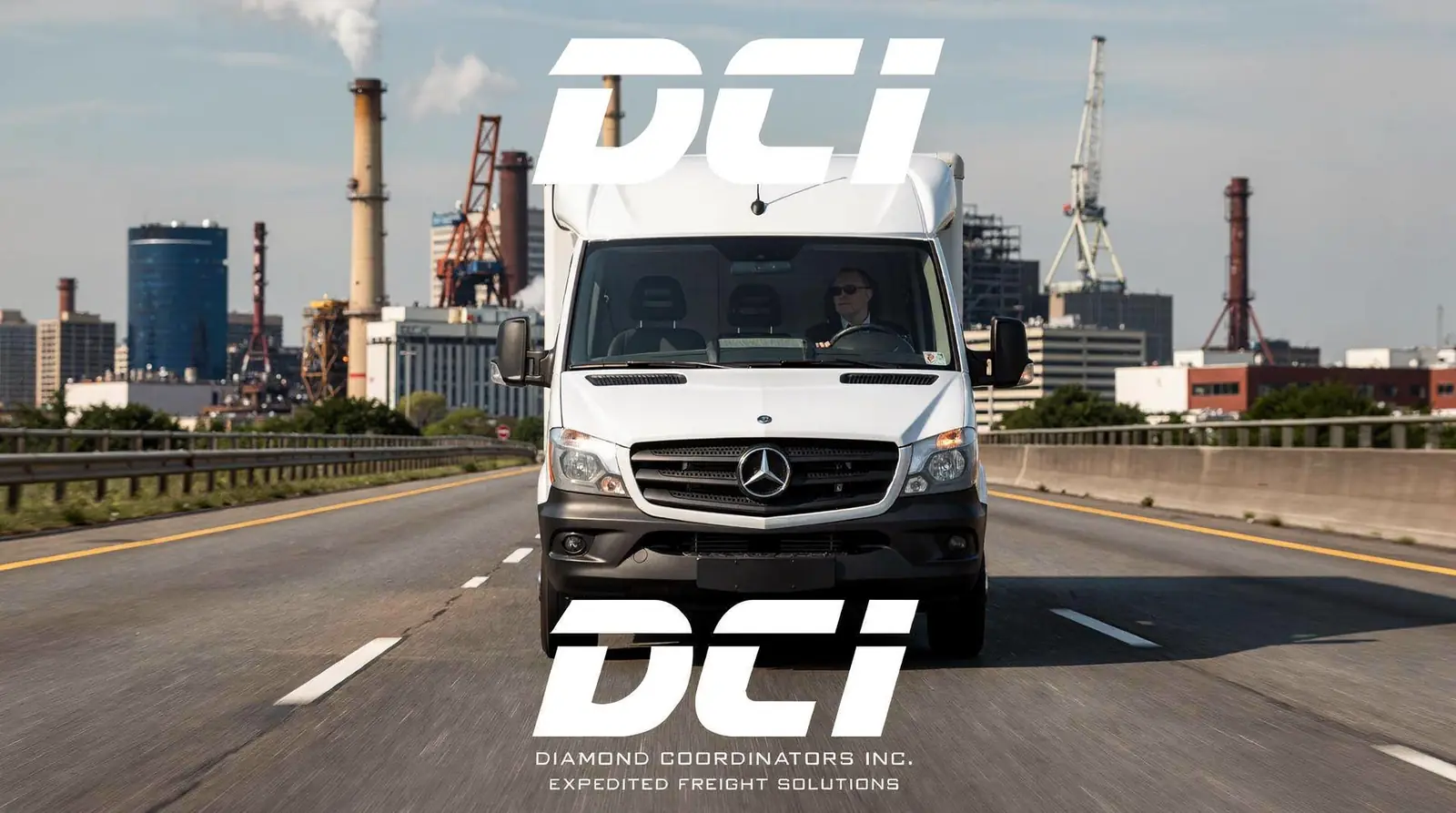
Dedicated vehicles make hot shot freight work: cargo vans, sprinters, or straight trucks travel directly from pickup to delivery, never stopping to load or unload other customers’ freight along the way. That single-shipment focus is what separates hot shot parts delivery from standard freight service. A pallet often waits at a terminal for hours or days until a truck fills up.

For a plant manager staring down a stalled production line, that difference determines whether the shift finishes on schedule or shuts down early.

The point-to-point model eliminates the delays baked into consolidated freight networks. No hub transfers. No shared trailer space. No waiting for a route to fill before the truck departs. This direct approach helps ensure a critical part arrives exactly when the maintenance team needs it, not whenever it happens to fit into a carrier’s broader schedule.

How fast can a hot shot shipment actually get moving?

In many cases, a hot shot load can be on the road within hours of the initial request. Speed at this stage matters more than most shippers realize. Every hour a machine sits idle adds to lost output and missed deadlines. Getting a truck dispatched quickly is often the single biggest factor in minimizing downtime and keeping production, project timelines, and customer commitments on track.

What role does a freight coordinator play in the process?
Diamond Coordinators Inc. specializes in expedited freight and logistics solutions built around this exact scenario. The DCI network coordinates urgent parts delivery from the moment a request comes in through final delivery at the dock or job site. For businesses handling industrial equipment shipping, that end-to-end coordination reduces the guesswork of finding a qualified carrier under time pressure. A single point of contact manages routing, driver dispatch, and delivery confirmation, so procurement and maintenance teams can focus on getting equipment back online.

What Makes Hot Shot Different From Standard Freight?

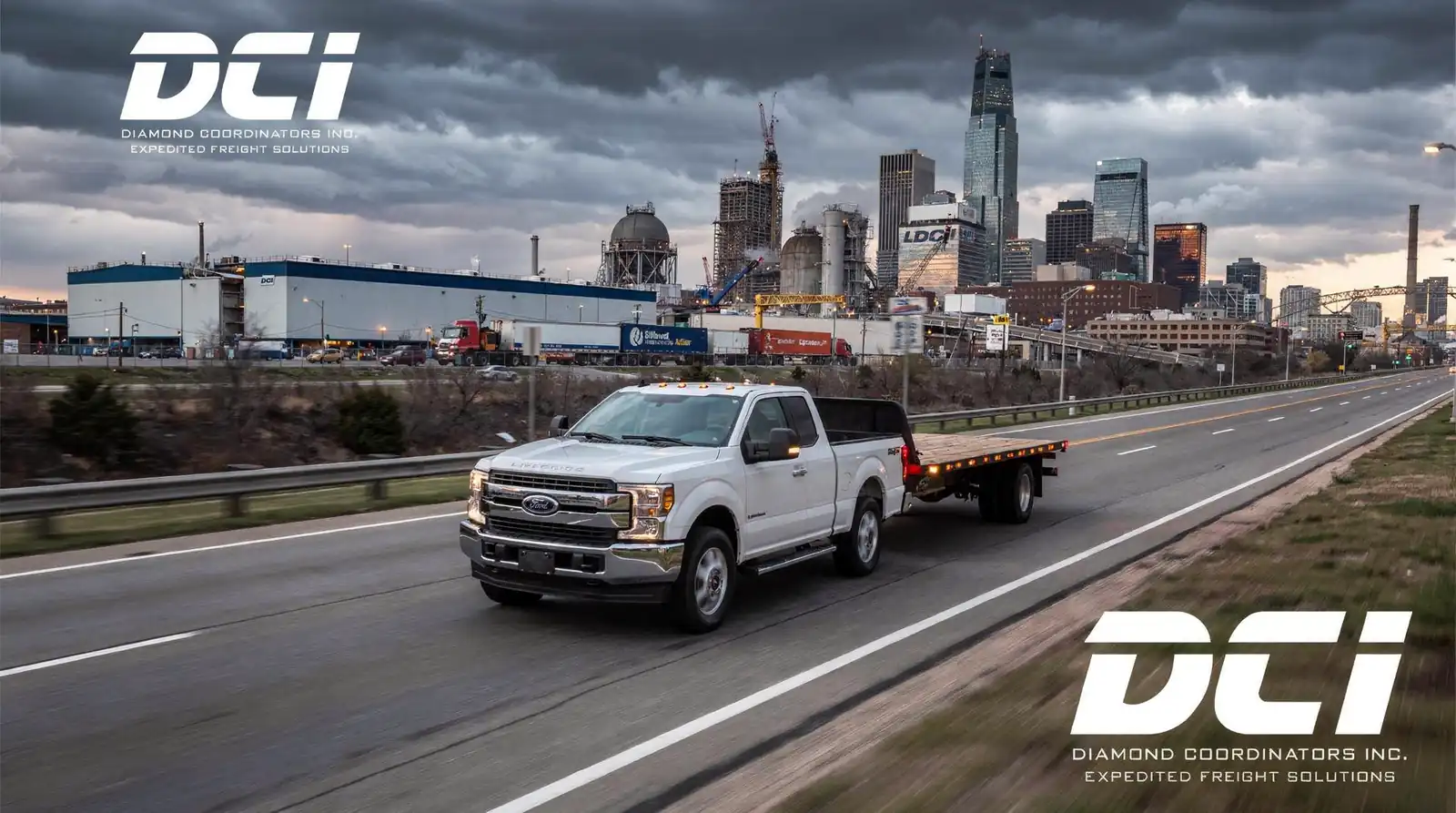
Hot shot trucking runs on smaller, dedicated equipment built for speed, not scale. Instead of a full tractor-trailer rig, plants typically see a medium-duty pickup or a Class 3 to Class 5 truck pulling a flatbed trailer, moving a single load straight to the job site. That equipment difference matters when a plant manager needs one critical part on the floor by morning, not stacked in a terminal waiting for a full trailer.

Standard freight networks are built around consolidation. Shipments often sit until a trailer fills up or gets routed through a regional hub, adding hours or days to transit. Hot shot freight skips that step entirely: one truck, one load, direct delivery from origin to destination.

Why do manufacturers and contractors choose hot shot over scheduled freight?

Manufacturing, construction, agriculture, and heavy equipment operations increasingly turn to hot shot service specifically because downtime carries a real cost. A stalled production line or a grounded piece of heavy machinery cannot wait for a routine freight slot. Businesses select dedicated hot shot transport for urgent parts delivery precisely when the shipment is small, urgent, and time-critical.

What happens when a load is too large for hot shot equipment?
Hot shot trailers have real capacity limits, and not every emergency shipment fits on one. When industrial equipment shipping needs exceed what a flatbed pickup can safely haul, Diamond Coordinators Inc. shifts the solution to full truckload service instead. That flexibility keeps hot shot parts delivery. Larger freight moves under one coordinated response, rather than forcing procurement teams to manage two separate vendors during a crisis.

When Should You Call for Hot Shot Parts Delivery?

A stalled production line, a broken excavator on a job site, or a failed compressor at a remote well pad all call for hot shot parts delivery. Waiting on standard freight schedules in these moments costs plants real money, every hour of downtime. This model traces back to the oil and gas sector. Operators needed urgent parts delivery to remote sites on short notice. That same logic now applies directly to plant maintenance emergencies, whenever a single failed component threatens an entire operation.

Construction crews, oil and gas producers, and heavy equipment operators share the same pressure point: schedules that cannot bend. Traditional freight routes goods through hubs and consolidates loads, which works fine until a deadline can’t wait. Hot shot dispatch skips that process entirely, sending a dedicated vehicle straight to the site.

How does DCI decide when to dispatch a hot shot load?

Diamond Coordinators Inc. built its Freight Specialist network around integrity, dedication, and teamwork. Those values guide how coordinators respond under pressure, whether the call comes at midnight or during a vacation weekend. Deadline-driven pickups get treated as the priority they are, not squeezed into a routine schedule.

Does faster transit actually change plant outcomes?

Research confirms that cutting transit times shifts company performance and shapes strategic decisions across operations and supply chain planning. For industrial equipment shipping, that means fewer idle machines and fewer stalled crews. Call for hot shot service when:

  • A critical machine part has failed and no local replacement exists

  • Standard freight timelines exceed acceptable downtime

  • Production, construction, or field operations are at a standstill

How Do You Request an Urgent Quote From DCI?

A single phone call starts the process. Plant managers describe the shipment as an emergency. A Freight Specialist responds with pricing built around the deadline, not a standard route schedule. That directness separates urgent parts delivery from ordinary freight booking, where quotes can take hours to materialize.

DCI has built a network of Freight Specialists spanning the country and Canada. That reach means one call connects a caller to available capacity, wherever the plant or job site sits. No searching for regional carriers or waiting on callbacks — the network already exists.

What information speeds up an emergency quote?

Coordinators should have pickup and delivery addresses, dimensions or weight, and the delivery window ready before calling. Specialists compare same-day and overnight pricing on the spot. Explain why a dedicated hot shot parts delivery run often beats a general freight broker for time-critical loads. Clear details up front mean faster dispatch.

Why does response speed matter for maintenance teams?

Downtime costs accumulate by the hour on a stalled production line. A carrier with a documented track record, one delivering reliable US logistics since 2012, gives procurement teams confidence that the quote reflects real capacity, not guesswork.

Requesting a quote typically covers three points:

  • The nature and urgency of the shipment

  • Same-day or overnight pricing options

  • The operational advantages of a dedicated specialist versus a broker network

That mission — exceptional logistics solutions paired with customer satisfaction and operational excellence — shapes every quote DCI issues. For maintenance supervisors managing industrial equipment shipping under deadline pressure, that standard is the baseline, not a bonus.