
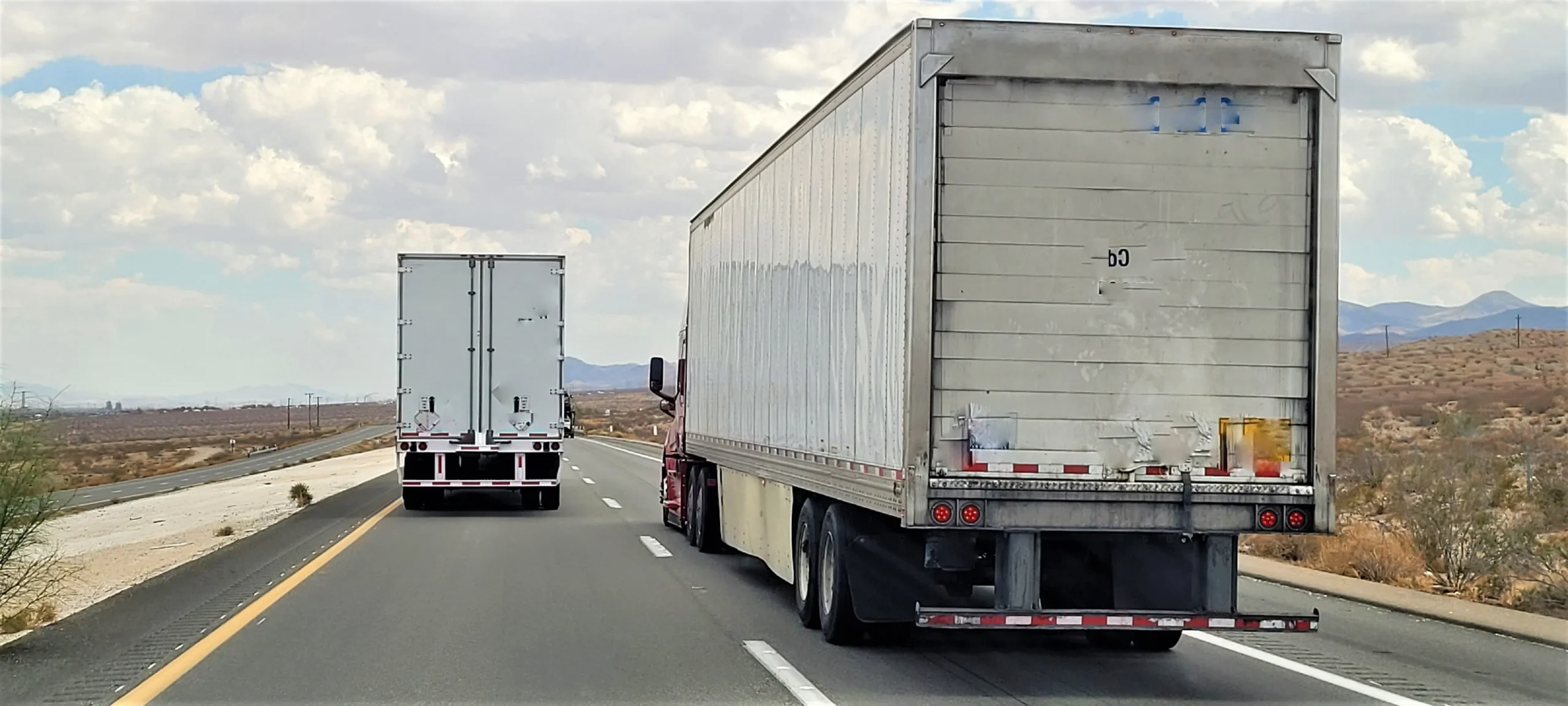
Preparing for Freight Quotes: A Shipper’s Checklist

Give Diamond Coordinators Inc. the full picture of your shipment — origin and destination zip codes, weight, dimensions, freight class, and pickup date — and we can turn around a quote fast. We’re bonded and insured under Carrier MC# 735546. Our nationwide network of partners across the United States and Canada puts that shipment data to work for fast, precise freight pricing.

Key Takeaways

  • Gather your shipment's weight, dimensions, and freight class before contacting Diamond Coordinators Inc.

  • Provide pickup and delivery locations with specific addresses for accurate expedited freight quotes.

  • Have your requested shipping date ready; Diamond Coordinators Inc has served shippers since 2012.

  • Specify full truckload or LTL needs to receive precise pricing from our logistics team.

What Should You Gather Before Requesting a Quote?

Shippers get the most accurate freight quotes by preparing five categories of information before making contact: timeline, dimensions, carrier credentials, commodity details, and delivery requirements. Skipping this step carries a real cost, because carriers price freight based on the information a shipper supplies at the time of the request. Gaps or guesses lead to one of two outcomes: a padded rate to cover the carrier’s risk, or a revised bill after pickup — and neither one helps a logistics manager trying to control a shipping budget.

Time sensitivity comes first. Diamond Coordinators Inc. specializes in expedited freight and logistics solutions, and shippers who flag urgency upfront get routed to the right service tier immediately rather than after a delay. A shipment needing overnight delivery calls for a different conversation than one with a five-day window.

Carrier identifiers matter too. Keeping documentation such as a Federal ID, COI, and carrier operating authority on hand speeds up the paperwork stage of any shipping quotes request, cutting down on back-and-forth before a rate even gets calculated.

What details make a freight quote more accurate?

Shippers should hand their freight forwarder as much information as possible: weight, dimensions, freight class, packaging type, origin and destination zip codes, and any accessorial needs like liftgate or inside delivery. The more complete the picture, the tighter the quote.

Should shippers prepare a checklist before calling?

Yes. A short prep list keeps requests consistent:

  1. Confirm pickup and delivery deadlines
  2. Measure and weigh the shipment accurately
  3. Note special handling or hazardous material requirements
  4. Have carrier and account identifiers ready
  5. List the desired service level

Following these steps turns preparation from an afterthought into a real advantage for your shipment.

What Shipment Details Do Carriers Need First?

Carriers need commodity type, total weight, freight class, dimensions, and equipment requirements before they can build an accurate rate. Missing or wrong load details put carriers in a tough spot: they either pad the price to cover unknown risk, or issue a low number that gets revised once the shipment reaches the dock. Either way, it costs shippers time, money, or trust in the final invoice.

Preparing this information before requesting freight quotes turns a guessing game into a straightforward transaction. Logistics managers and shipping supervisors who gather these specifics upfront receive tighter, more dependable shipping quotes with fewer surprises at delivery. Diamond Coordinators Inc. treats accurate load data as essential to good service, because correct commodity and weight information keeps processing fast and every shipment compliant with safety guidelines.

What information should shippers gather before calling for a quote?

  1. Identify the commodity being shipped, including any hazardous material classification.
  2. Confirm total weight and piece count for the load.
  3. Measure dimensions for accurate freight classification.
  4. Note origin and destination zip codes or addresses.
  5. Specify equipment needs, including whether the shipment requires full truckload service.

Does load size change which service applies?

Load size determines whether a shipment moves as less-than-truckload or fills an entire trailer. Diamond Coordinators Inc. provides full truckload services, so shippers moving larger volumes should state that need clearly when requesting rates. Specifying equipment and load size early prevents mismatched quotes and rebooking delays down the line.

Getting these details right from the start is what lets us deliver on our promise: reliable logistics solutions backed by real customer care and operational excellence, well before the truck ever arrives.

Which Service Type and Timeline Should You Specify?

Service type comes first, timeline second, and both belong in the opening line of any call for freight quotes. Transportation mode — ocean, air, or truck for domestic moves — shapes cost, transit speed, and handling requirements, so shippers should settle on this before anything else. Skip this step and carriers are left to guess, which produces inaccurate shipping quotes that fall apart once the load ships.

Timeline matters just as much as mode. A standard delivery window differs sharply from a rush order, and pricing reflects that difference. Shippers moving urgent or last-minute freight should ask specifically about hot shot service, a form of expedited shipping built around dedicated vehicles like cargo vans rather than full trailers. This option exists for loads that cannot wait for standard scheduling, and naming it upfront lets a coordinator match the right equipment to the deadline.

What if the shipment can't wait at all?

Some freight is a true emergency: a stalled production line, a missed retail window, a medical or industrial part needed within hours. Emergency freight shipping is a practical lifeline in these moments, built specifically to move critical goods on a strict timetable. Flagging this status immediately, rather than after a quote comes back too slow, keeps the whole process on schedule.

How does a shipper decide between standard and expedited service?

Weigh the cost of delay against the premium for speed. Diamond Coordinators Inc. has delivered reliable US logistics since 2012, giving shippers a track record they can lean on when planning either option with confidence.

How Do You Compare Multiple Freight Quotes?

Comparing multiple freight quotes means gathering rate and service details from several qualified carriers, then weighing price against reliability rather than cost alone. A single quote tells you nothing about market rates — without the effort of collecting several freight quotes, no shipper can be certain the rate on the table reflects the best available combination of price and service for that load.

Diamond Coordinators Inc. built a network of Freight Specialists spanning the United States and Canada specifically to solve this problem. That network gives logistics managers multiple qualified contacts to weigh against one another, rather than a single data point taken on faith. Comparing quotes side by side exposes gaps in transit time, accessorial charges, and equipment availability that a lone quote would hide.

What Should Shippers Look for Beyond the Price?

Price alone rarely tells the full story. Shippers should evaluate:

  • Transit reliability — consistent delivery windows matter more than a marginally lower rate.

  • Service scope — carriers should offer support from initial booking through final tracking, since online quote tools are designed to simplify the entire process, not just the pricing step.

  • Standards behind the number — integrity, dedication, and teamwork form a reliability benchmark against which competing shipping quotes can be measured.

How Many Quotes Should a Shipper Request?

No fixed number guarantees the best deal, but relying on just one quote leaves a shipper blind to market conditions. Requesting quotes from several specialists within a trusted network surfaces meaningful differences in rate, capacity, and service commitment — and gives shippers the confidence that their chosen carrier will actually perform when the freight is critical.

What Mistakes Delay or Inflate Your Quote?

Missed pickups, surprise accessorial fees, and stalled shipments almost always start with a mistake made before the freight ever leaves the dock. A carrier offering a rock-bottom number often lacks the operational capacity to deliver on schedule. That gap surfaces later as a missed pickup or an unexpected charge tacked onto the invoice. Shippers who chase the lowest freight quotes without checking capacity end up paying more in the end.

Why do freight quotes change after booking?

Quotes shift after booking when a carrier discovers a capacity shortfall or misjudged the freight class during the initial request. Accessorial charges then appear to cover the gap, inflating the final bill well beyond the original estimate.

Does carrier identity affect a quote's accuracy?

Confirming a carrier’s Standard Carrier Alpha Code matters more than most shippers realize; DCI’s own SCAC reads DCLW. That verification lets logistics managers confirm who they are booking with and avoid errors that delay pickup. Skipping this check opens the door to mismatched paperwork and misrouted freight.

Supply chain directors can avoid these pitfalls by following a short sequence before accepting any shipping quotes:

  1. Verify the carrier's SCAC and operating authority before booking.
  2. Confirm freight class and weight match the shipment exactly.
  3. Ask directly about accessorial charges tied to delivery conditions.
  4. Flag any shipment requiring urgent handling at the time of quoting, not after pickup.

Time-sensitive freight adds another layer of risk. Knowing how to manage a shipment that turns urgent reduces downtime, protects revenue, and keeps customers satisfied rather than scrambling once a delay hits. Delivering exceptional logistics solutions while prioritizing customer satisfaction and operational excellence sits at the center of DCI’s mission — and it’s exactly what shapes how quoting errors get resolved before they touch a delivery date.

FAQ

What information should you gather before calling for a freight quote?

Gather your shipment’s weight, dimensions, freight class, origin and destination zip codes, and pickup date. Also note packaging type, service level, and any accessorial needs like liftgate or inside delivery for accurate pricing.

Why does incomplete shipment information affect the quote you receive?

Carriers price freight based on the information supplied at the time of request. Gaps force carriers into padding rates to cover unknown risk or issuing revised bills after pickup.

Does Diamond Coordinators Inc need carrier or account identifiers before quoting?

Yes, keeping documentation such as a Federal ID on hand speeds up the paperwork stage of a shipping quote request, reducing back-and-forth before the rate gets calculated.

Conclusion

Preparing your shipment details before contacting Diamond Coordinators Inc. streamlines the quoting process and gets you an accurate rate for your expedited freight needs. Organizing your information in advance — origin, destination, weight, dimensions, and freight class — shows professionalism and lets our Freight Specialists deliver the reliable, efficient service DCI has provided since 2012. That upfront preparation is what turns a simple rate quote into the start of a logistics partnership built on transparency and precision.

Conclusion

In closing, arriving prepared with accurate freight details, clear timelines, and precise origin and destination information transforms a routine phone call into a fast, productive conversation. This preparation allows our Freight Specialists to identify the most efficient full truckload or expedited solution for your shipment without delay. Reliable logistics begin with reliable information, and DCI stands ready to put that information to work, delivering the dependable service our clients across the US and Canada have come to expect since 2012.